

Introduction
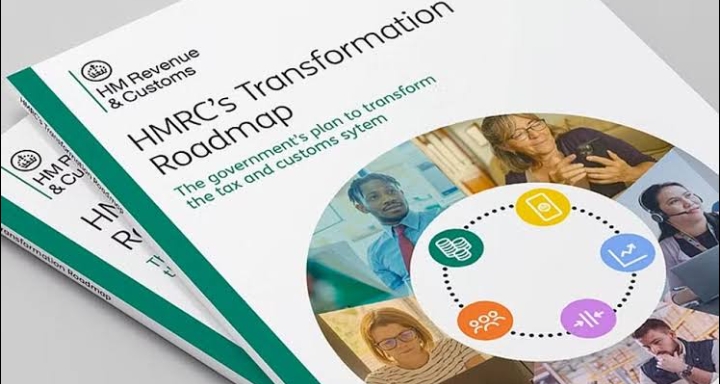
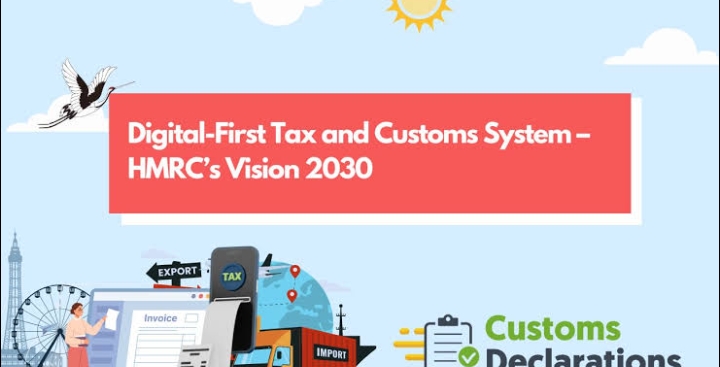
In July 2025, HMRC unveiled its Transformation Roadmap, a bold blueprint designed to reshape the way tax and customs are managed in the UK. Backed by a £7 billion government investment, the initiative sets out a clear vision for 2030: a streamlined, digital-first tax system that reduces burdens on businesses and improves compliance.
But what does this mean for tax leaders and corporate taxpayers? At its heart, the Roadmap highlights three major themes:

Digitalisation and automation
Closing the tax gap through stronger compliance
Modernising and reforming operations
Let’s break down what this transformation really means, and how tax functions can prepare for the digital-first future.
Digitalisation and Automation – The Future Is Now
One of the biggest takeaways from the Roadmap is HMRC’s commitment to technology. By 2030, the goal is for 90% of all interactions with taxpayers to be digital.
This isn’t just about efficiency; it’s about empowering businesses. By removing repetitive admin, companies can redirect resources towards innovation and growth.
Topics
What Tax Leaders Should Do
- Adopt AI tools early – Many organisations are already experimenting with generative AI for compliance and reporting. The sooner you implement, the more competitive you’ll be.
- Automate repetitive tasks – Processes like VAT reconciliation, invoice matching, and expense tracking are perfect candidates for automation.
- Leverage real-time data – Better insights mean smarter decision-making, faster responses, and stronger financial planning.
Strengthening Compliance – Closing the Tax Gap
HMRC has long faced the challenge of the “tax gap” — the difference between what should be collected and what is actually paid. The Transformation Roadmap makes clear that technology will play a key role in closing this gap.
With better access to real-time data and AI-driven analysis, HMRC can monitor risks more effectively and identify anomalies faster.
Action Points for Businesses
- Improve transparency – Accurate, timely reporting reduces the risk of penalties.
- Invest in compliance software – Tools that align with HMRC’s digital-first approach will help you stay ahead.
- Train your teams – A digital tax system requires upskilled employees who can work confidently with new technologies.
Modernising Operations – Building for the Long Term
The Roadmap is not just about compliance; it’s about future-proofing UK tax administration. By modernising operations, HMRC wants to simplify processes for both individuals and businesses, making tax management less of a burden.
For organisations, this means a shift in mindset: tax functions are no longer just about keeping up with regulations. They are becoming a strategic driver of growth.
Key Benefits for Businesses
- Faster and simpler reporting
- Reduced administrative costs
- Improved accuracy and fewer errors
- More time for strategic planning and innovation
Why This Matters for Tax Leaders
Tax leaders stand at the frontline of this transformation. Instead of seeing digitalisation as a challenge, it’s worth framing it as an opportunity. By adopting automation, AI, and cloud-based tax systems, you’re not just complying with HMRC’s vision — you’re giving your business a competitive edge.
As KPMG’s survey highlighted, more than half of UK corporate tax functions have already started exploring AI. The Transformation Roadmap will only accelerate this momentum.
Read More. 2nd Charge Mortgages in the UK 2025 What You Need to KnowBest Life Insurance for Over 50 in the UK [2025 Guide]
Final Thought
The HMRC Transformation Roadmap marks an exciting new chapter in the UK’s tax system. For businesses, it’s both a challenge and an opportunity. Those who embrace digital-first operations early will benefit from efficiency, compliance, and a stronger focus on growth.
In short: the future of tax is smarter, faster, and more digital. The question is — is your tax function ready?HMRC’s Transformation Roadmap
FAQs
Q1: What is HMRC’s Transformation Roadmap?
It’s HMRC’s strategic plan, launched in July 2025, to build a digital-first tax system by 2030, supported by a £7bn investment.
Q2: How will this impact businesses?
Companies will need to adopt more digital tools, automate compliance, and ensure transparent reporting to align with HMRC’s new requirements.
Q3: What role does AI play in the Roadmap?
AI is expected to automate repetitive tasks, improve compliance accuracy, and provide real-time data insights for smarter decisions.
Q4: Do small businesses also need to adapt?
Yes. While large corporates may adopt AI faster, small businesses will also need to use digital tools to meet HMRC’s standards.
Q5: When will the changes be fully implemented?
HMRC’s target is 2030, but many changes will roll out gradually between now and then.