

Postal Services Suspend : Sending a parcel overseas is something most of us take for granted—drop it at the post office, pay the fee, and trust it’ll reach its destination. But from late August, sending packages to the United States has suddenly become much more complicated. Postal services in nearly 30 countries, including the UK, Australia, and much of Europe, have either suspended deliveries or restricted certain types of shipments to the US.
Following the removal of a long-standing exemption that permitted packages valued under $800 to enter tariff-free, former US President Donald Trump caused the disruption. This change may result in increased expenses, delays, and uncertainty surrounding cross-border deliveries for people, companies, and even online sellers.
Why Have Postal Services Suspended US Deliveries?
Until now, parcels worth less than $800 were exempt from US tariffs under what’s known as the “de minimis rule”. This rule kept postage costs affordable for customers and allowed postal services to move low-value items across borders with minimal paperwork.
With the exemption removed, every package is now subject to full tariff rates depending on the country of origin. That means higher costs for carriers and, ultimately, for senders. Instead of rushing into this new system, many postal operators have chosen to suspend US deliveries temporarily. This pause gives them time to adapt their systems, recalculate costs, and inform customers of the new requirements.
What Does This Mean for Everyday Senders?
If you were planning to send a parcel to the US, the impact will vary depending on your local postal service:
Letters and cards – In most cases, regular letters can still be sent without extra costs.
Gifts under $100 – Technically, these remain tariff-exempt, but some countries have suspended all package shipments regardless of value.
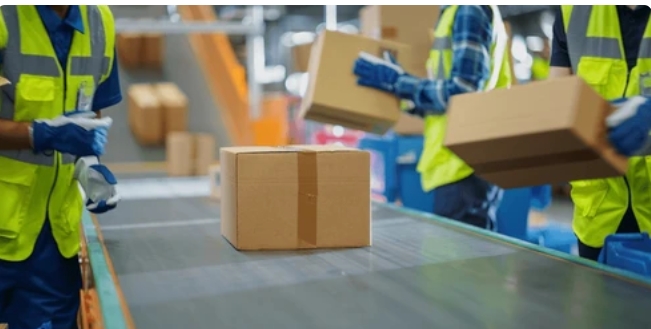
Parcels and online orders – This is where the biggest impact will be felt. Items such as clothes, books, or small electronics may now face additional customs charges, or they may not be shipped at all until services resume.
In some cases, packages already on their way to the US could be returned to sender to avoid tariff fees. Others may require the recipient in the US to pay duties and taxes before the parcel is released.
Topics
Which Countries Have Paused US Deliveries?
The suspension is widespread. By the end of the first week, around 22 European nations had temporarily stopped sending parcels to the US. These included the UK, France, Germany, Italy, and Spain.
Across Asia and the Pacific, countries such as Australia, New Zealand, Japan, India, South Korea, Taiwan, and Singapore also announced suspensions. Online marketplace Etsy has even stopped offering US shipping labels for several major carriers, including Royal Mail in the UK, Australia Post, and Canada Post.
This shows just how far-reaching the disruption is, not only for individuals but also for small businesses and e-commerce sellers who rely on smooth cross-border trade.
How Long Will This Last?
At present, postal operators have not given a clear timeline for when normal service will resume. Most are describing the suspensions as “indefinite”, pending the development of new systems to handle tariff charges and declarations.
Some postal services are exploring partnerships with private couriers who can pre-pay tariffs at the point of dispatch. But until these solutions are in place, uncertainty will remain for businesses and customers who depend on affordable international shipping.
What Should Businesses Do Now?
For UK-based e-commerce sellers, particularly those who ship regularly to US customers, this is a major disruption. Here are a few steps worth considering:
1. Check with your courier – Different carriers have adopted different policies. While national postal services may have suspended US deliveries, some private couriers are still operating with adjusted fees.
2. Communicate with customers – If you sell through platforms like Etsy or Shopify, update your shipping policies so US customers are aware of potential delays or added costs.
3. Explore alternatives – Logistics companies and express couriers may be more expensive, but they can provide reliability until postal services adjust.
4. Stay updated – The situation is evolving quickly. Checking announcements from Royal Mail or PostEurop can help you plan shipments effectively.
Conclusion
The suspension of postal services to the US highlights how quickly international trade rules can shift—and how directly they can affect ordinary people. Whether you’re sending a gift to a relative in New York or running a small e-commerce shop in London, the changes mean more planning, higher costs, and a need to adapt.
While many hope the disruption is temporary, businesses and individuals alike will need to watch closely for updates from their local postal services. Until then, sending parcels to the US will remain a challenge.
Read more : Best Life Insurance for Over 50 in the UK [2025 Guide]
FAQs
1. Why are countries suspending deliveries to the US?
Because the US removed tariff exemptions for packages under $800, making postage more expensive. Postal services need time to adjust.
2. Can I still send letters to the US?
Yes, most countries continue to deliver letters, but parcels face restrictions.
3. How will this affect online shopping?
International orders shipped to the US may be delayed, returned, or subject to extra fees.
4. Is the suspension permanent?
No. It is temporary, but there’s no confirmed timeline for when normal deliveries will resume.
5. Which countries have stopped shipments?
Many European nations, plus countries in Asia and the Pacific such as Australia, New Zealand, Japan, and India.