
Soho House, one of the world’s most famous members’ club brands, is reportedly close to a $1.8bn (£1.3bn) deal to leave the stock market and go private. According to the Wall Street Journal, US-based MCR Hotels is leading a group of equity investors to back the deal, which could mark the end of Soho House’s short and difficult journey as a listed company.
The decision comes after four years on the New York Stock Exchange, where the brand struggled to meet investor expectations despite its global popularity.

Do you want to know about the journey of Soho Houses?
Founded in 1995 by restaurateur Nick Jones, Soho House started with a single club in central London’s Soho district. Since then, it has expanded rapidly:
10 locations in London
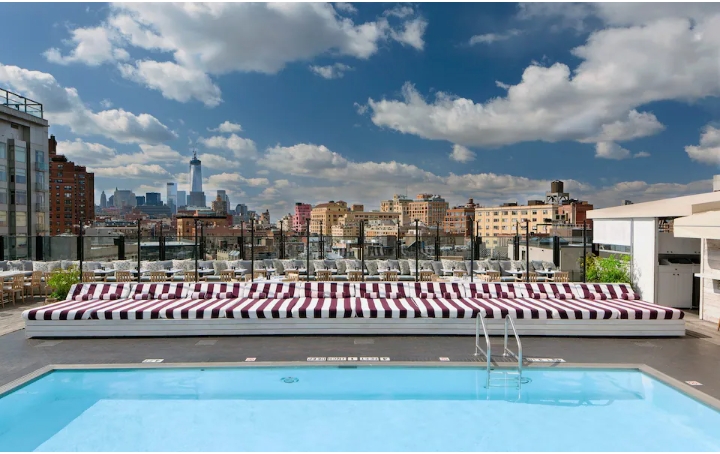
48 open or planned worldwide — including Paris, Istanbul, Bangkok, and Mumbai
4 clubs in Los Angeles and 3 in New York
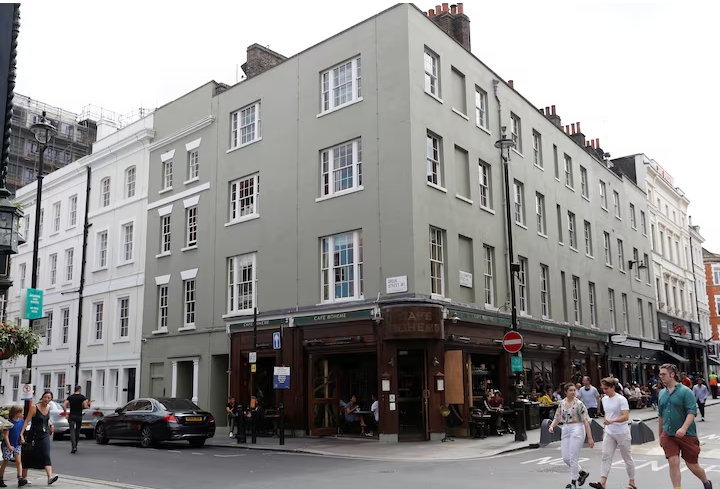
The club has always attracted big names — from Kate Moss and Kendall Jenner to Ellie Goulding. Even Prince Harry and Meghan Markle had their first date at Soho House Dean Street in London
Topics
Who is the owner of Soho House?
While Nick Jones still owns around 5%, the bigger stakes are controlled by:
Ron Burkle (40%) – US retail billionaire
Richard Caring (21%) – Owner of the Ivy restaurant chain
This investor mix has pushed Soho House into aggressive international expansion — but at a high cost.

The Challenges of Expansion
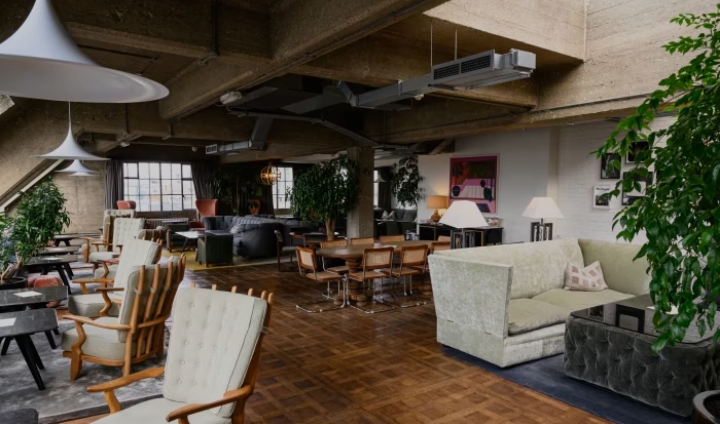
Soho House has always sold itself as an exclusive members’ club, where entry is limited and luxury is guaranteed. Members pay up to £2,920 per year for full global access.
But with over 270,000 members and nearly 50 clubs worldwide, the company has had to walk a tightrope:
Keep growing revenue through expansion
Maintain exclusivity and brand appeal
Manage the heavy costs of opening new sites
This balance has proven tricky.
The Financial Reality
On paper, Soho House is a glamorous brand. But on the stock market, investors have been less impressed.
Share price fell from over $14 in 2021 to $7.64 in August 2025
The company has lost $739m cumulatively during its time as a listed company
It only recently managed to post a net profit in the last three quarters
For many shareholders, the glamour hasn’t translated into reliable returns.
Soho House delists from the stock market
- Soho House’s decision to leave the public markets may prove to be a smart move. By going private, the company can:
- Avoid constant stock market scrutiny
- Focus on long-term brand building rather than quarterly profits
- Secure investment from partners like MCR Hotels who understand hospitality
- For investors, it could mean tighter control and less volatility. For members, it may help Soho House re-focus on exclusivity and service quality instead of endless expansion.
What This Means for Members and the UK Market
- UK-based members may not see immediate changes in how clubs operate. However, a private ownership model could mean:
- Slower but more sustainable expansion
- Improved focus on member experience
- Potential price adjustments for annual fees
- For the UK finance community, it highlights the risks of luxury lifestyle brands listing too early on the stock exchange.
Frequently Asked Questions
1. Why is Soho-House going private?
Because it struggled financially as a public company, with falling share prices and ongoing losses despite brand popularity.
2. Who is leading the deal?
New York-based MCR Hotels is leading new equity investors in the buyout.
3. How much is the deal worth?
Around $1.8bn (£1.3bn).
4. Will members be affected?
Not immediately, but the shift may allow Soho House to improve exclusivity and service.
5. Is this good for investors?
It may benefit long-term investors, but current shareholders could face uncertainty over deal terms.